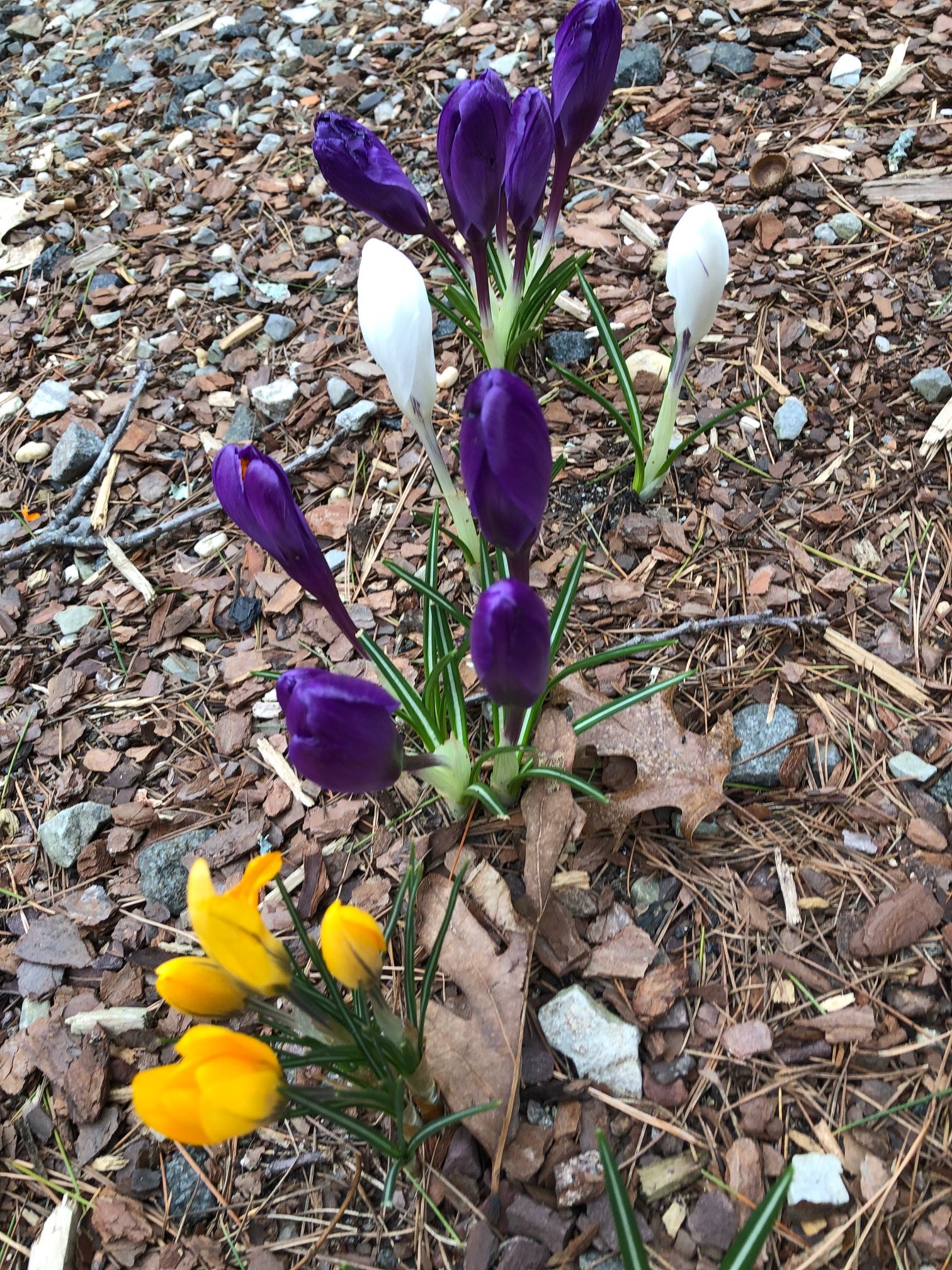
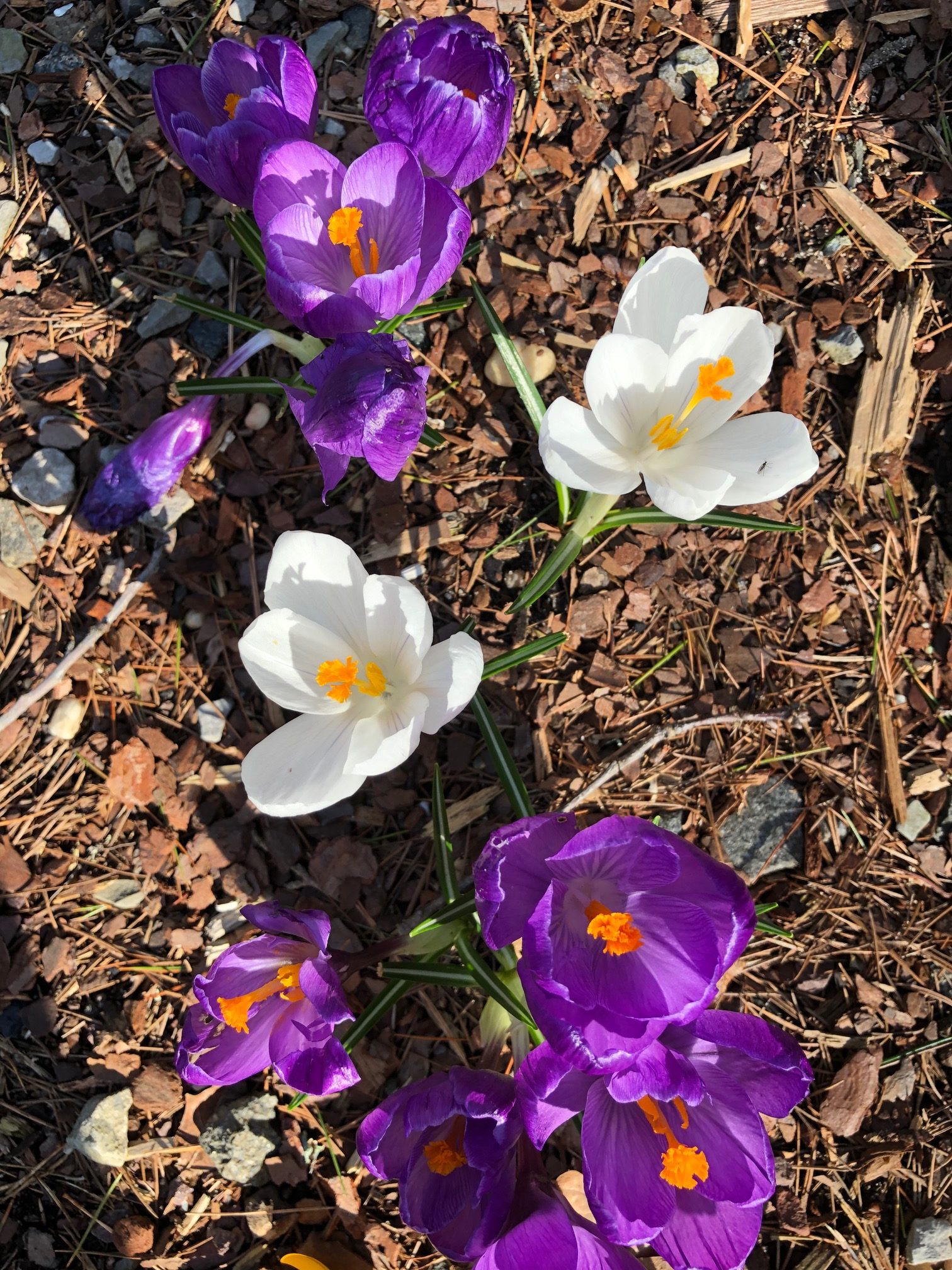
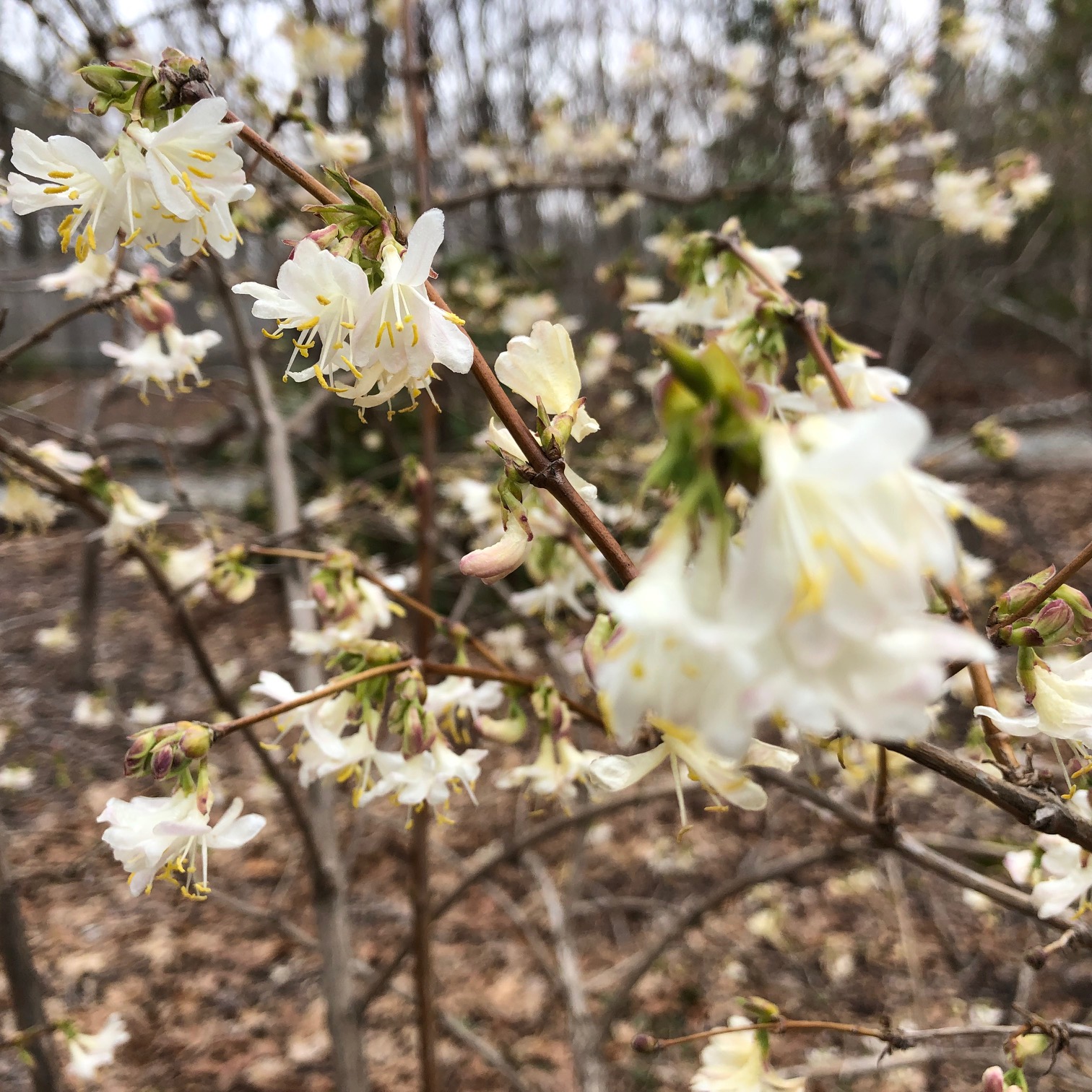
Wishing you all a Happy, Healthy, New Year!
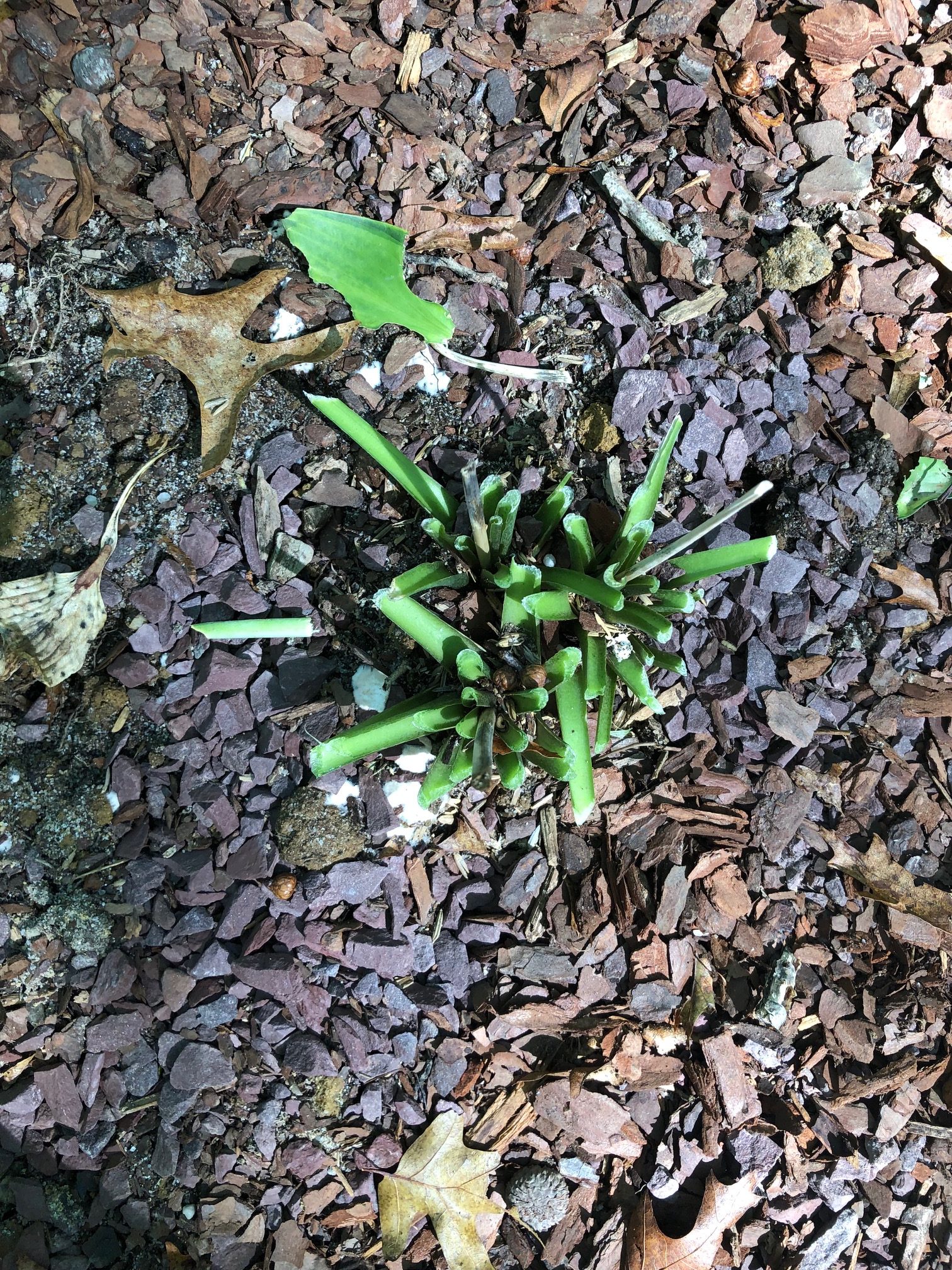
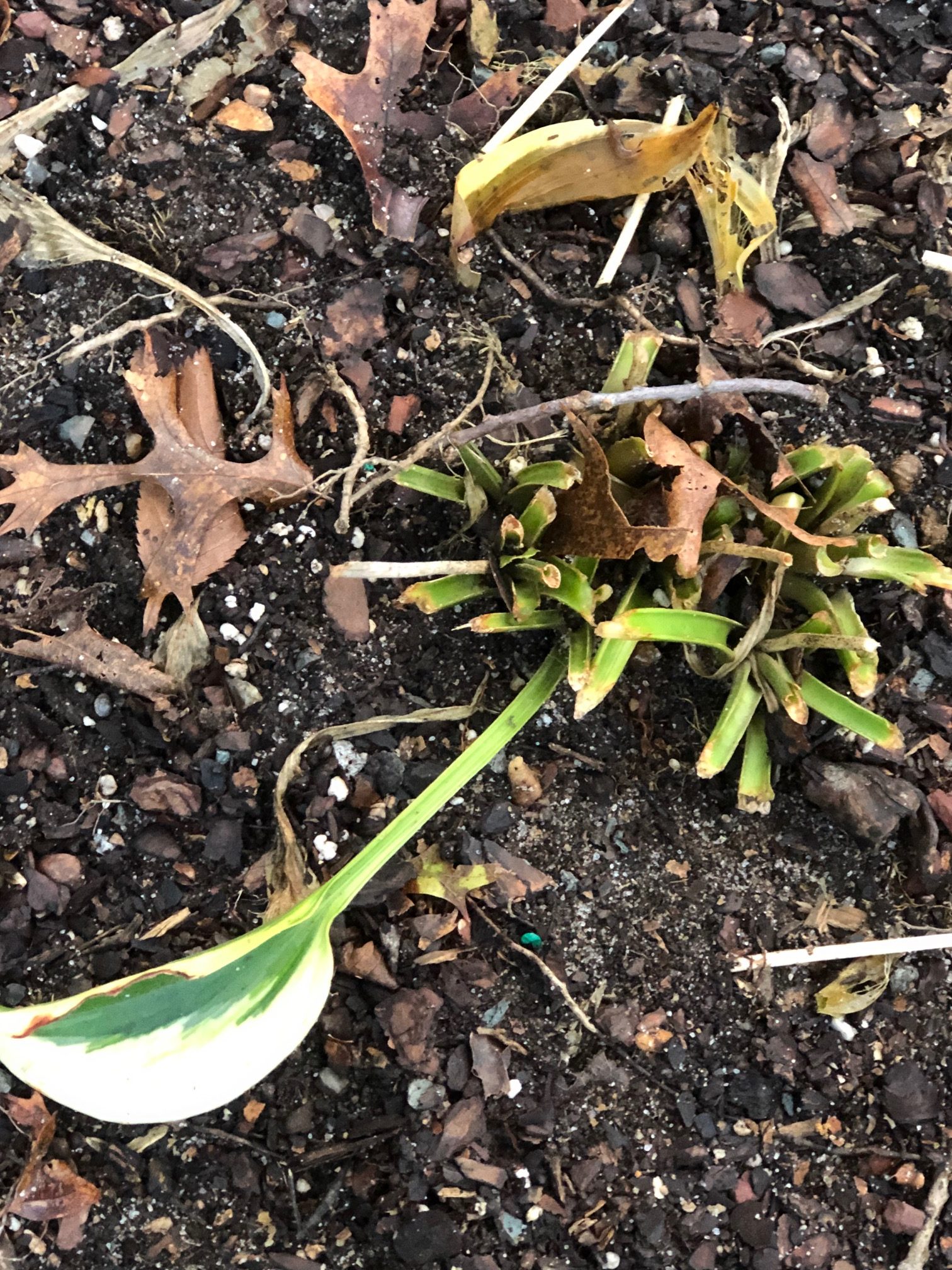
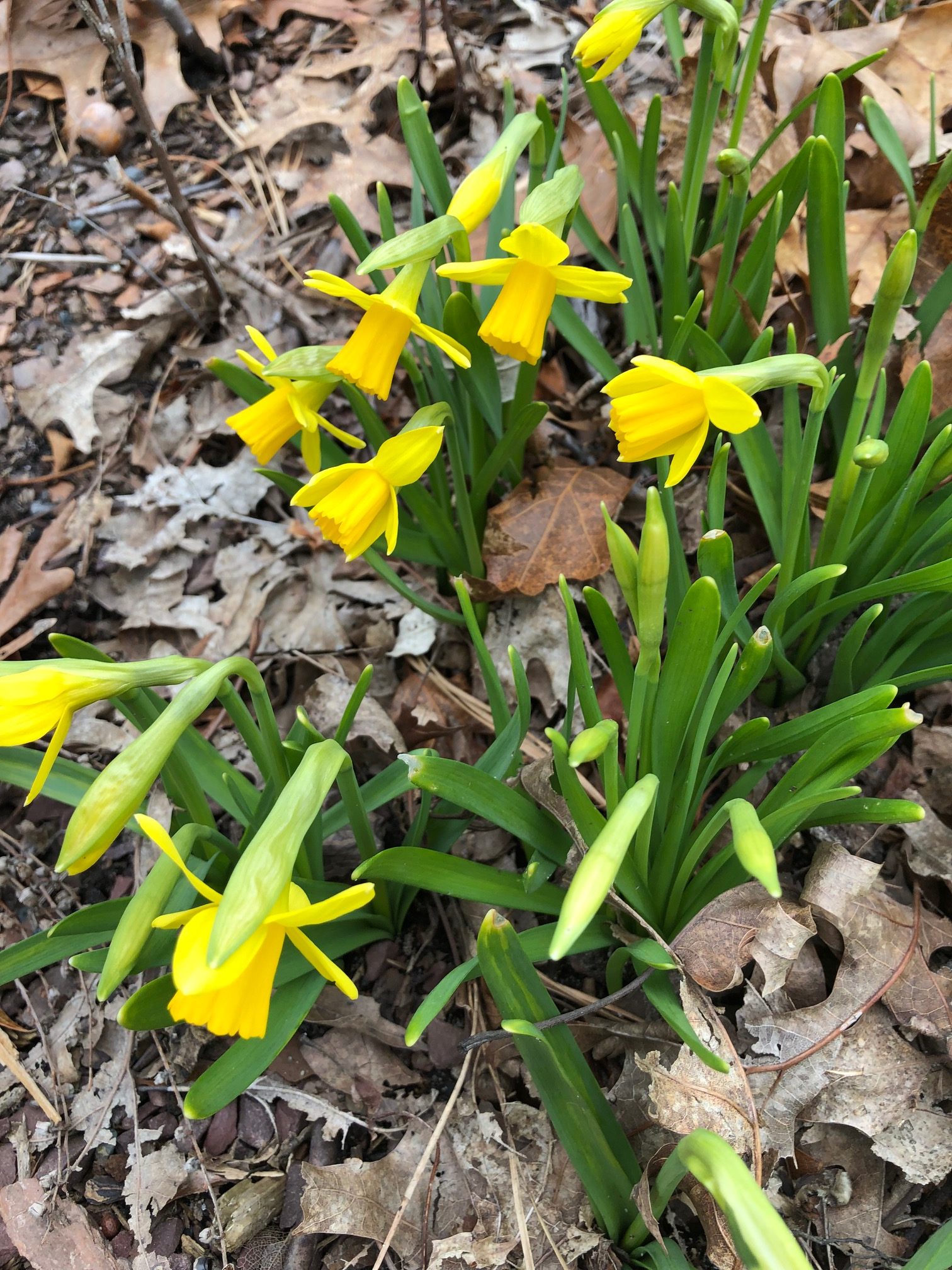
Sadly, not so happy or healthy for my daffodils: Unseasonable warming and seesawing temperatures due to climate change caused the Spring-flowering bulbs to emerge in December 2023, and they will surely be zapped. Mother Nature has moved to Crazyville, a serious, ongoing environmental problem.
Here are a few other things to think about in 2024:
In a previous post I wrote about entomologists changing the common name of Lymantria dispar from gypsy moth to spongy moth because the word gypsy was an ethnic slur, offensive to the Romani people. The issue of name change is once again front and center. But now it’s all about biological name change, a different kettle of fish with a different set of rules.
Unlike common name change, biological name change has, as a rule, required evidence of a link to new scientific discovery. Scientists and others are now proposing that offensive biological names commemorating racists or other monstrous humans should be erased without requiring that link. They argue that taxonomy should be socially responsible and that homage should not be paid to tradition over ethics. Those in opposition assert, inter alia, that the change would undermine stability in scientific naming, resulting in widespread confusion.
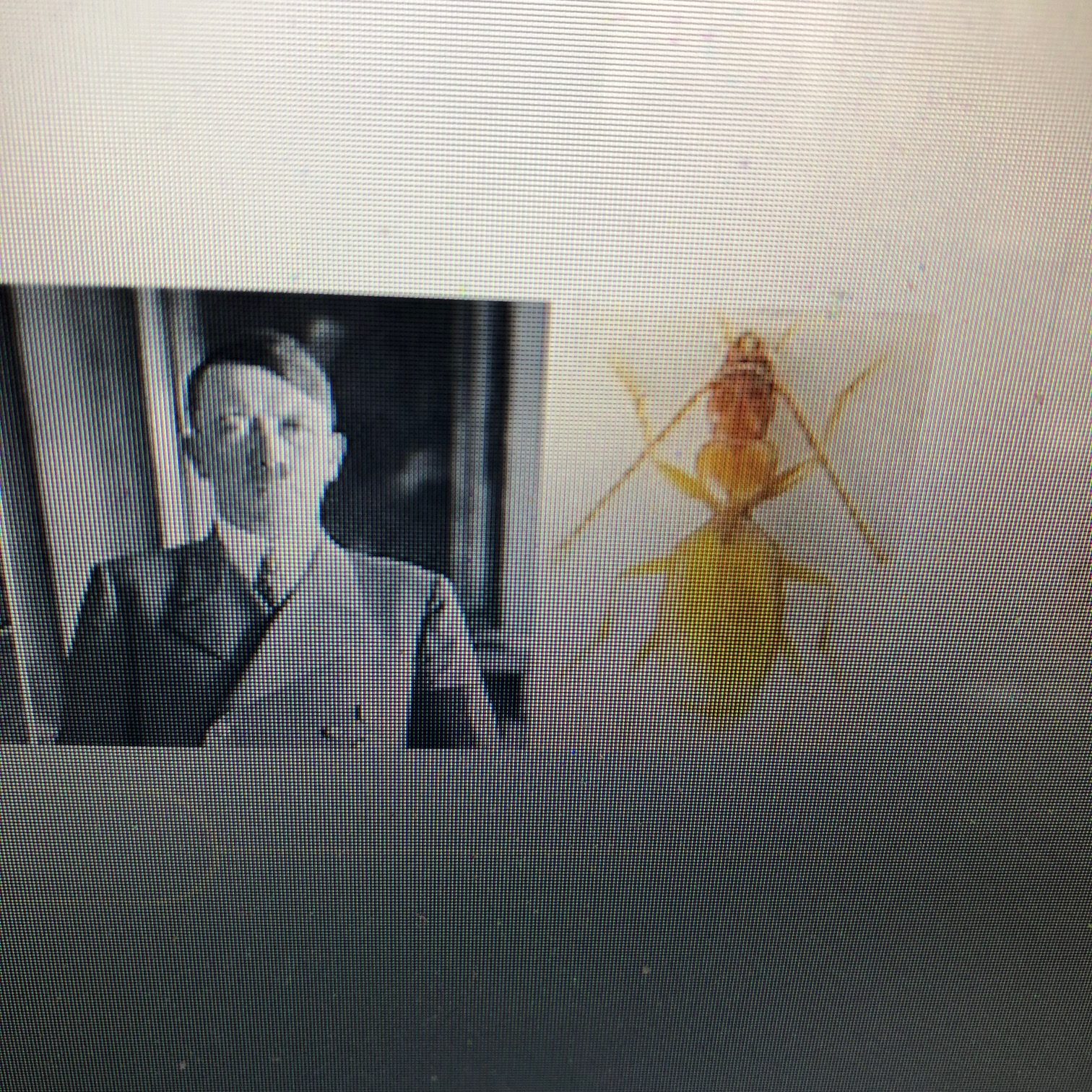
A prime target of those proposing change is the Hitler beetle, Anophthalmus hitleri, a blind cave dweller predator that will eat anything smaller and weaker. Because of these features, it has been suggested that the name was meant to mock Hitler not to praise him, following the example set by Carl Linnaeus, an eighteenth century botanist.
Linnaeus created The Binomial System of Nomenclature, a singularly unique procedure of classification—the basis of our current system—which was and still is widely celebrated for “bringing order to nature’s blooming, buzzing confusion.” Linnaeus often used his position as namer-in-chief to belittle those he didn’t like, once “rewarding” a critic by naming a smelly weed after him.
Not the case with the Hitler bug: Hitler was very fond of beetles; the beetle was named by a Hitler fan who declared in writing, “Given to Reich Chancellor Adolf Hitler as an expression of my admiration” and Adolf sent him a thank-you note. Photos below of Hitler and his namesake beetle.
I was surprised to discover that a modern-day fan of Adolf Hitler also has a namesake, a micromoth, Neopalpa donaldtrumpi. Photos of the two below.
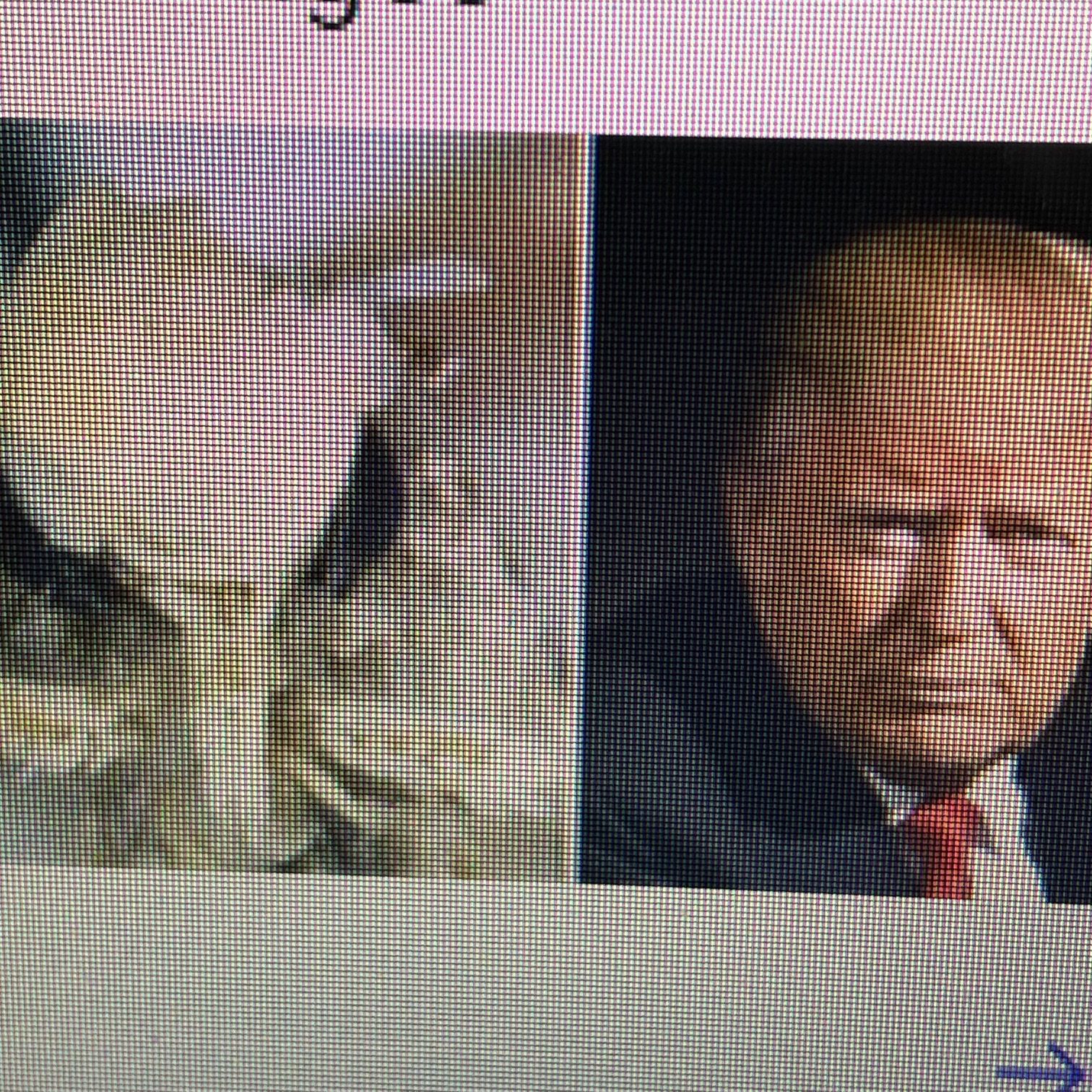
The issue of biological name change has not been resolved.
Common name change continues: The American Ornithological Society recently announced that “in an effort to address past wrongs” it will change the English common names of birds named after people.
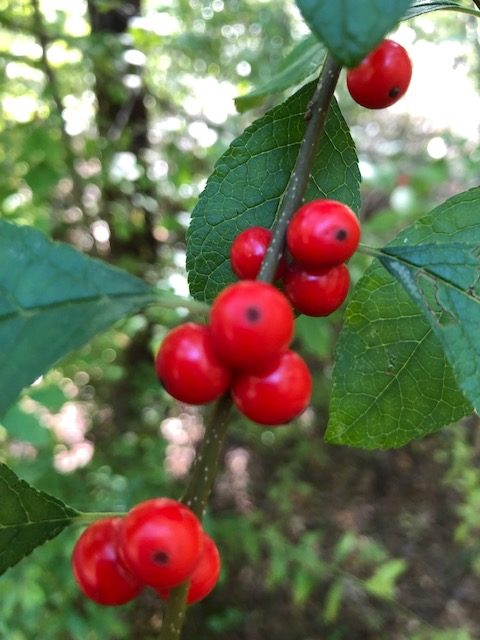
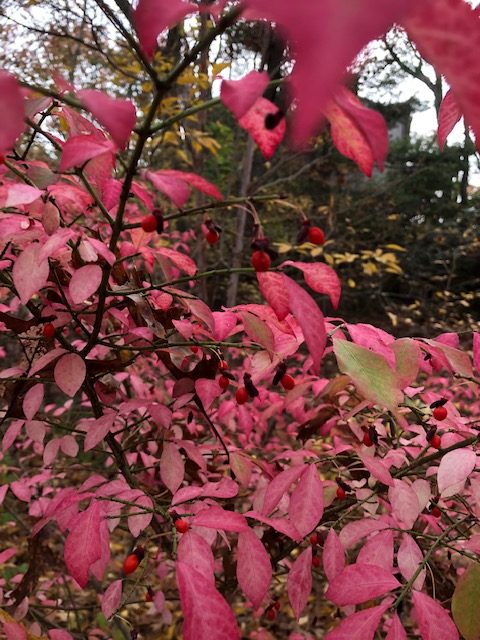
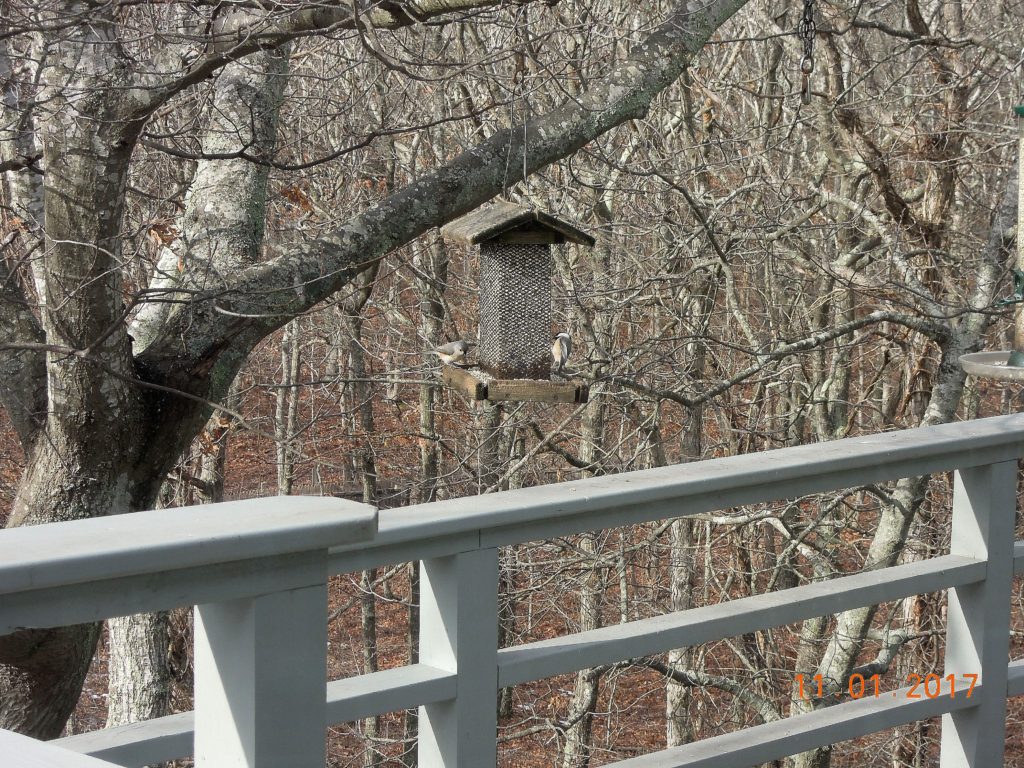
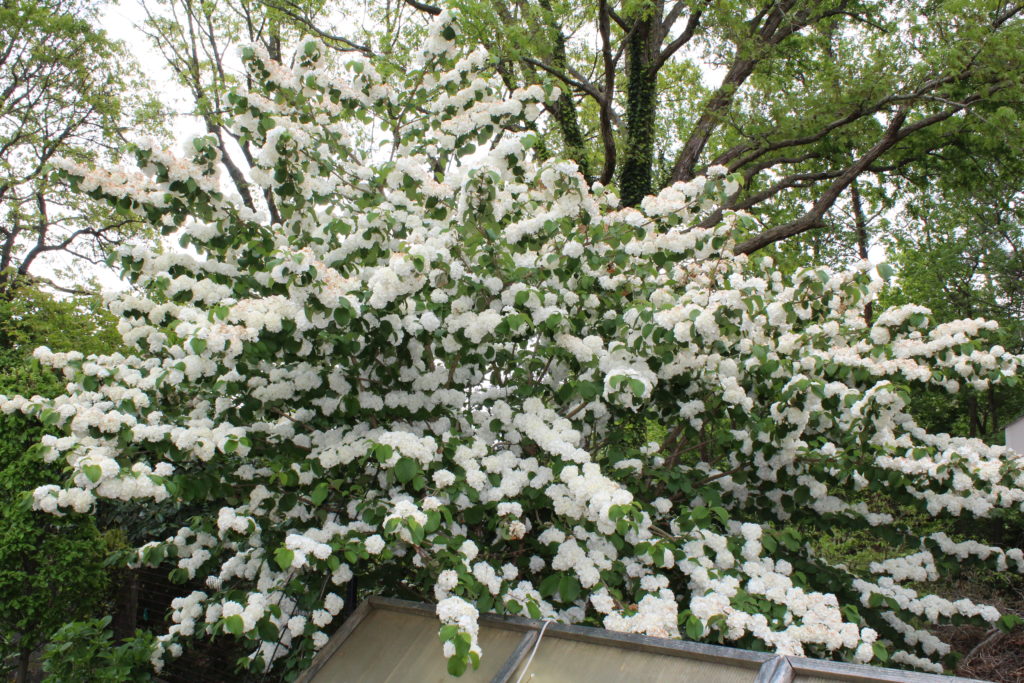
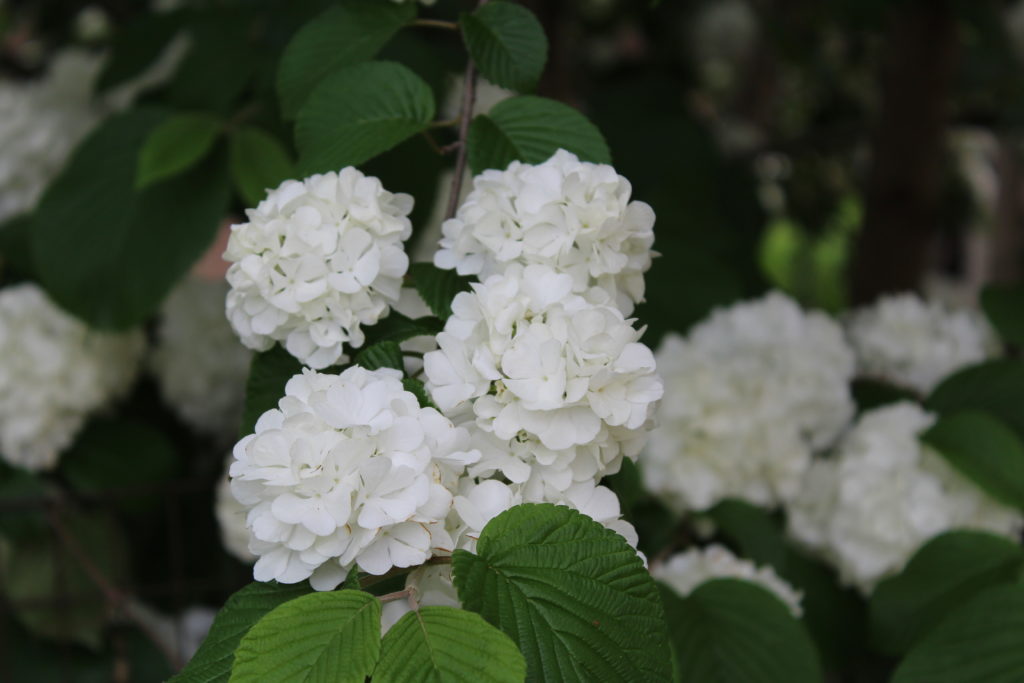
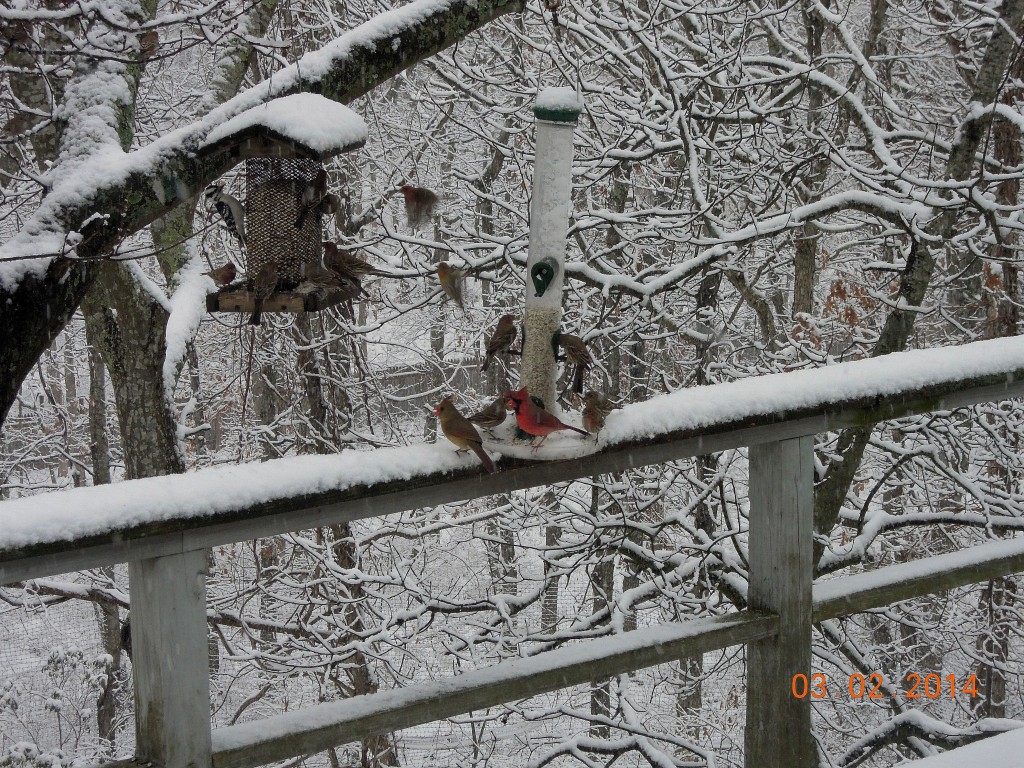
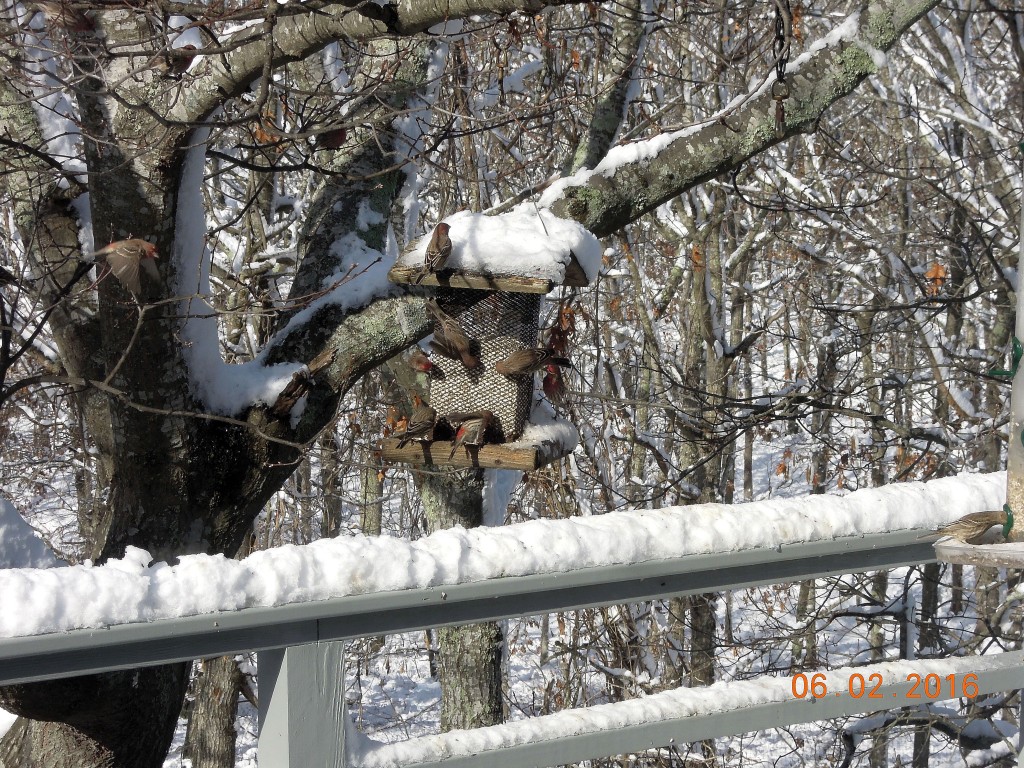
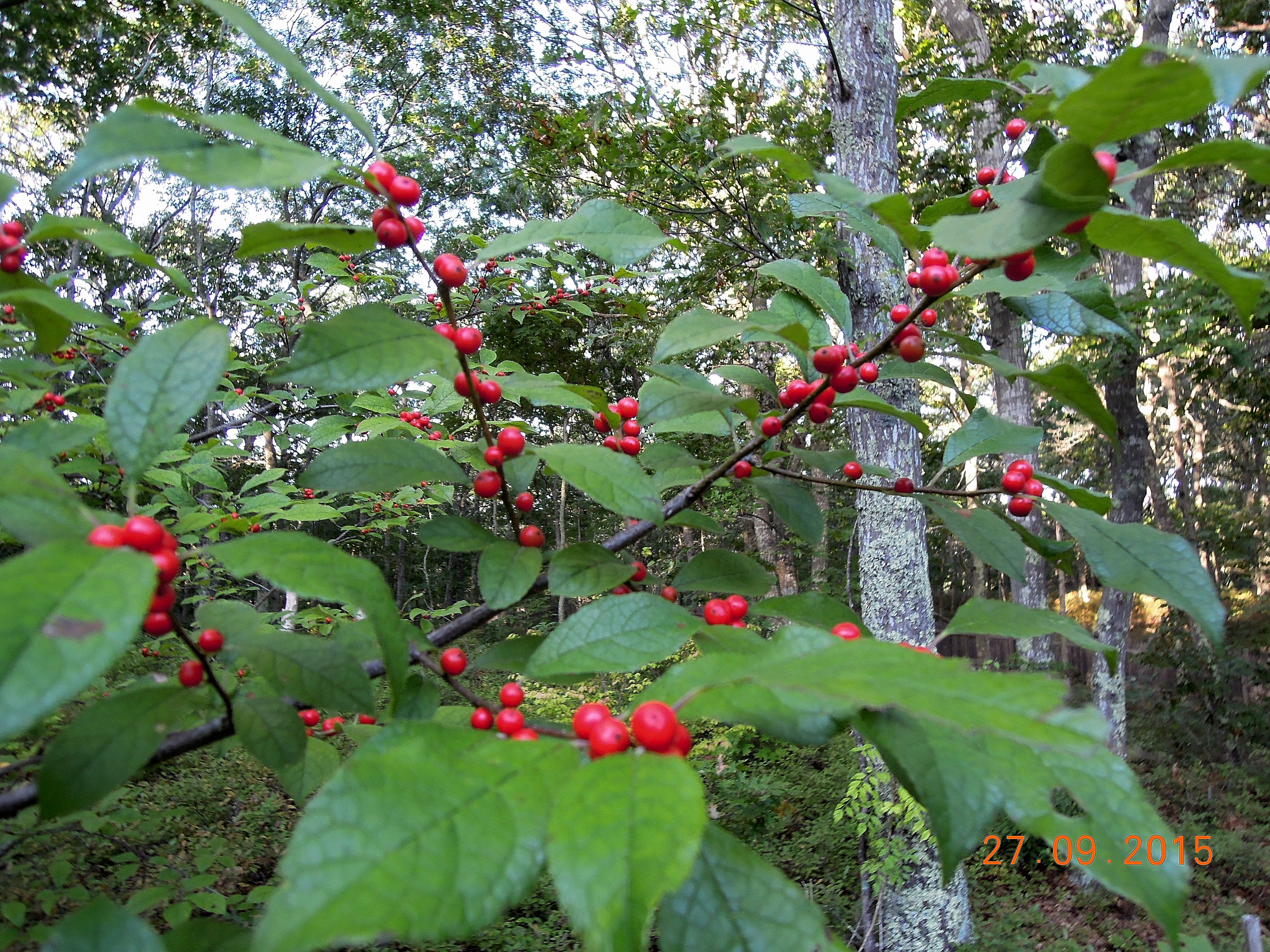
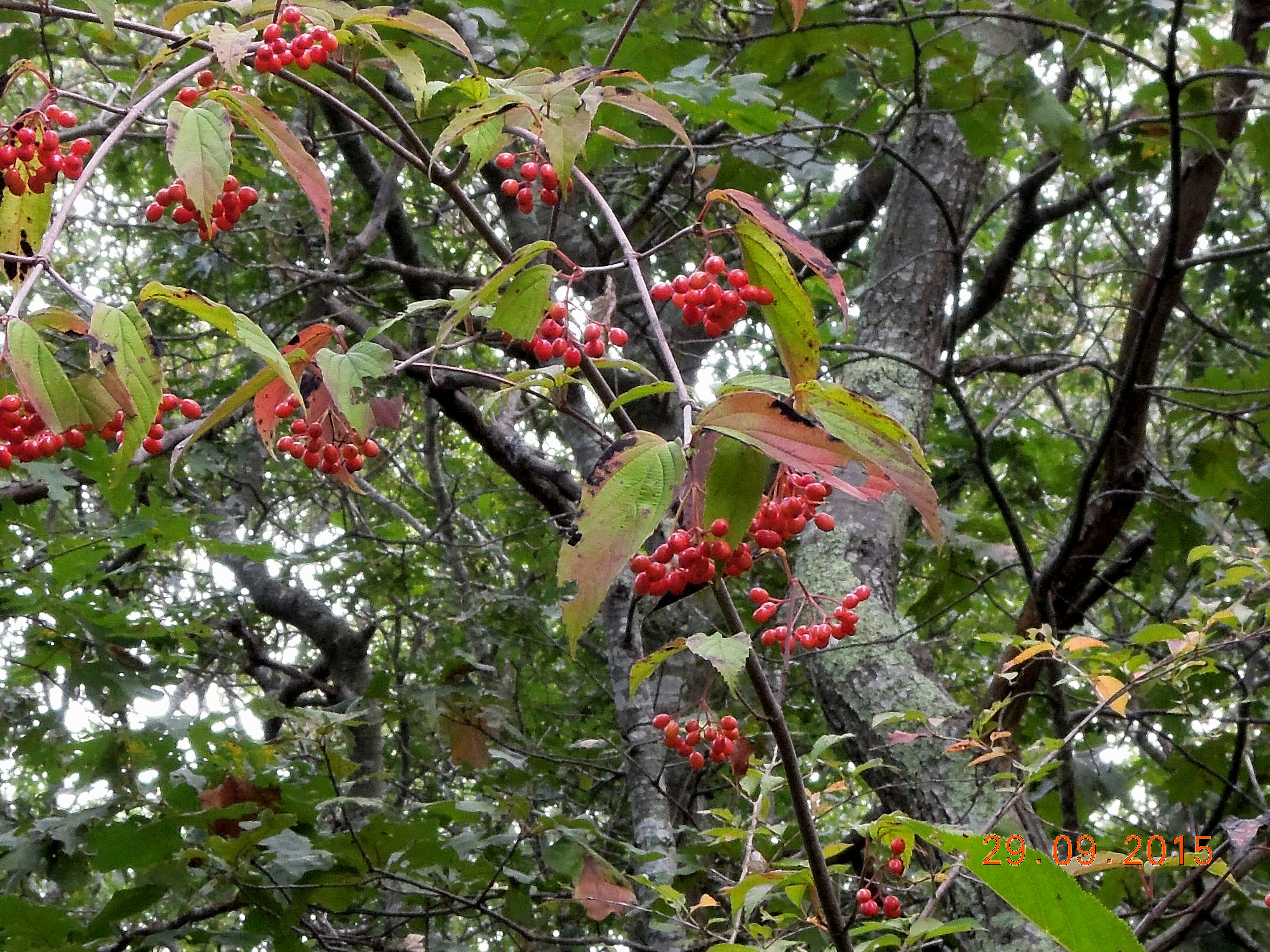
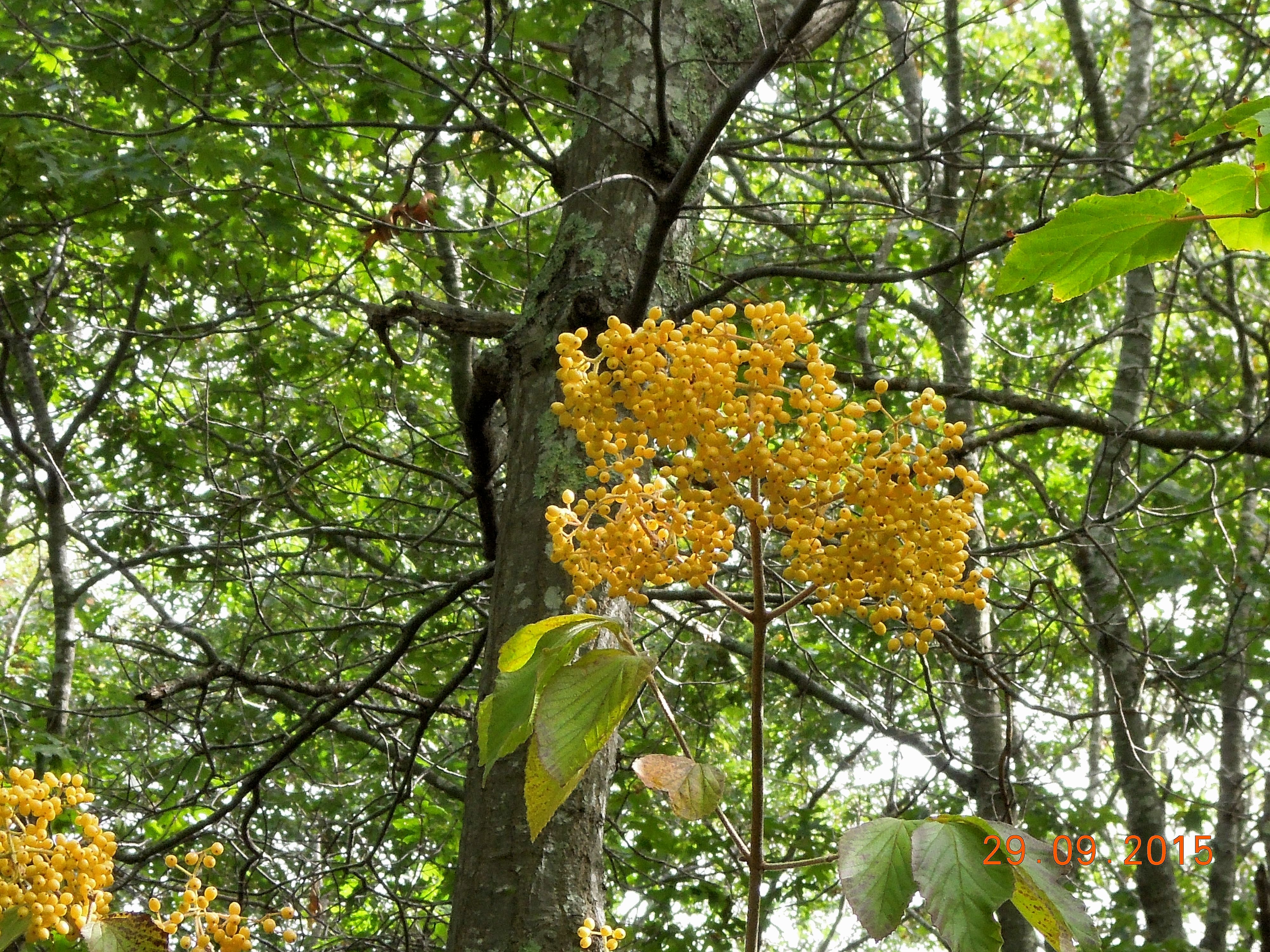
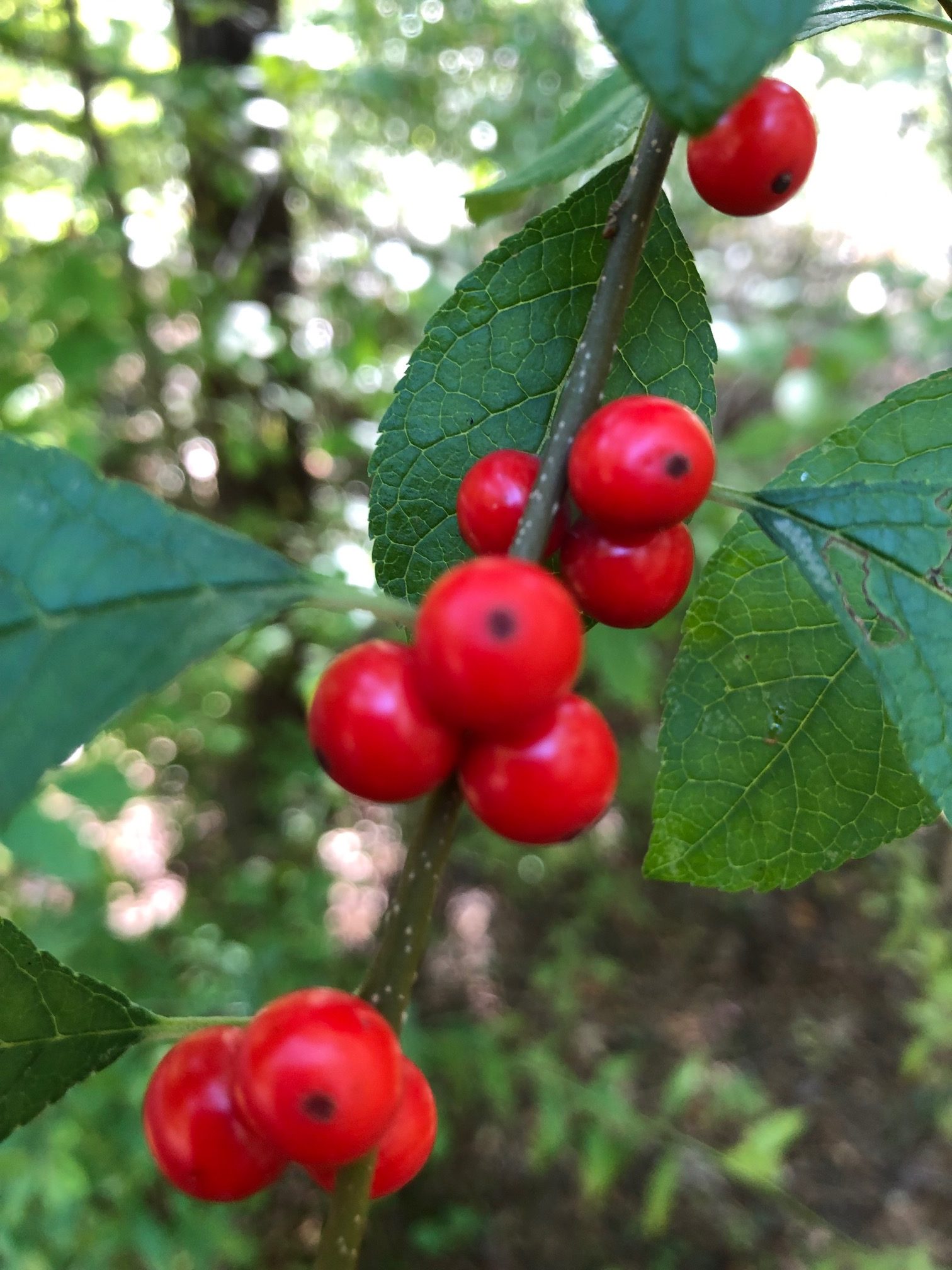
We can help birds—regardless of their names— by creating a welcoming habitat filled with plants that provide food and shelter. In my garden, birds love the luscious red berries produced by Viburnum plicatum tomentosum ‘Mariesii’ and by our native Winterberry Holly, Ilex verticillata. Photos below of Mariesii’s flowers and red berries and photos of the Winterberry Holly plant and berries.
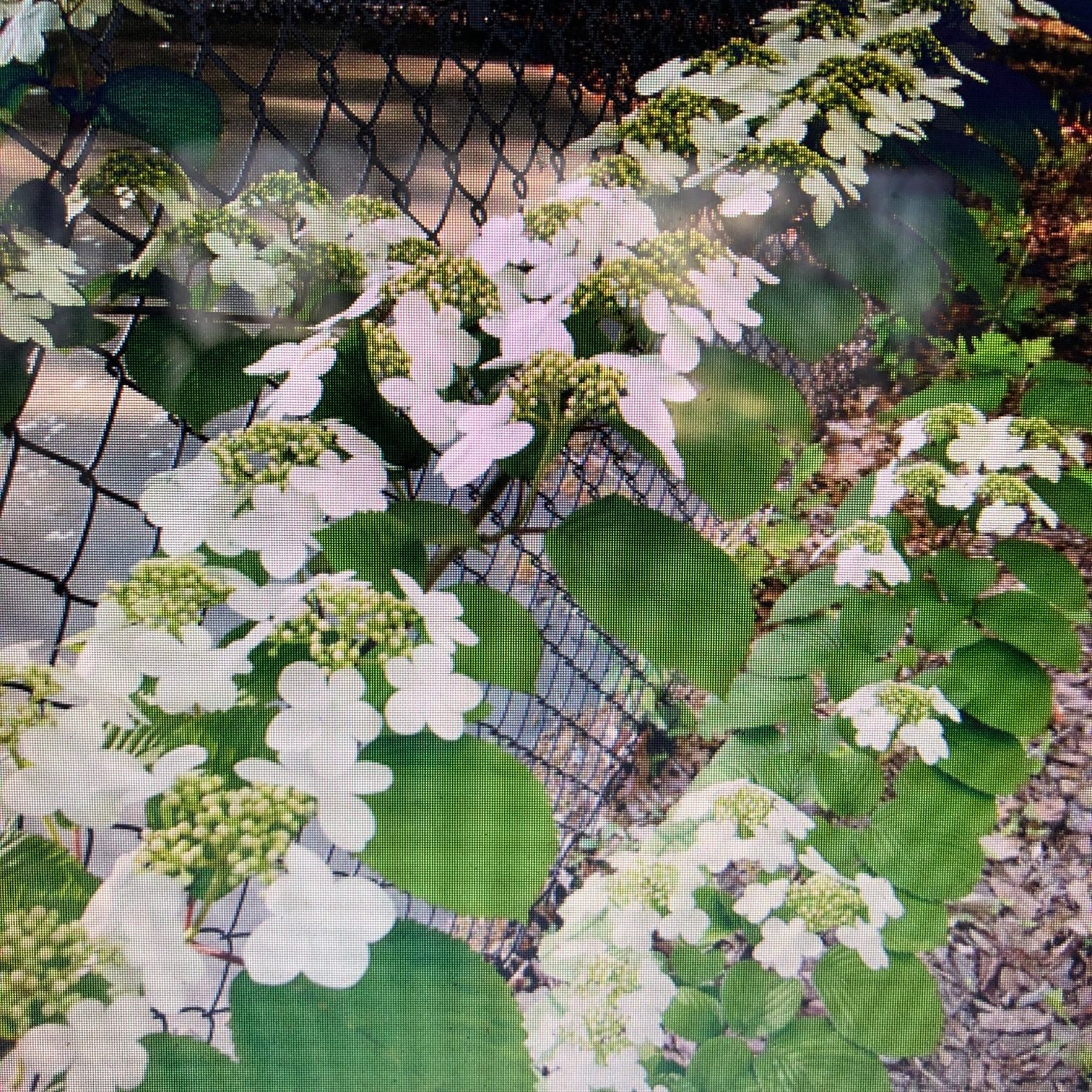
copyright 2014 – Lois Sheinfeld
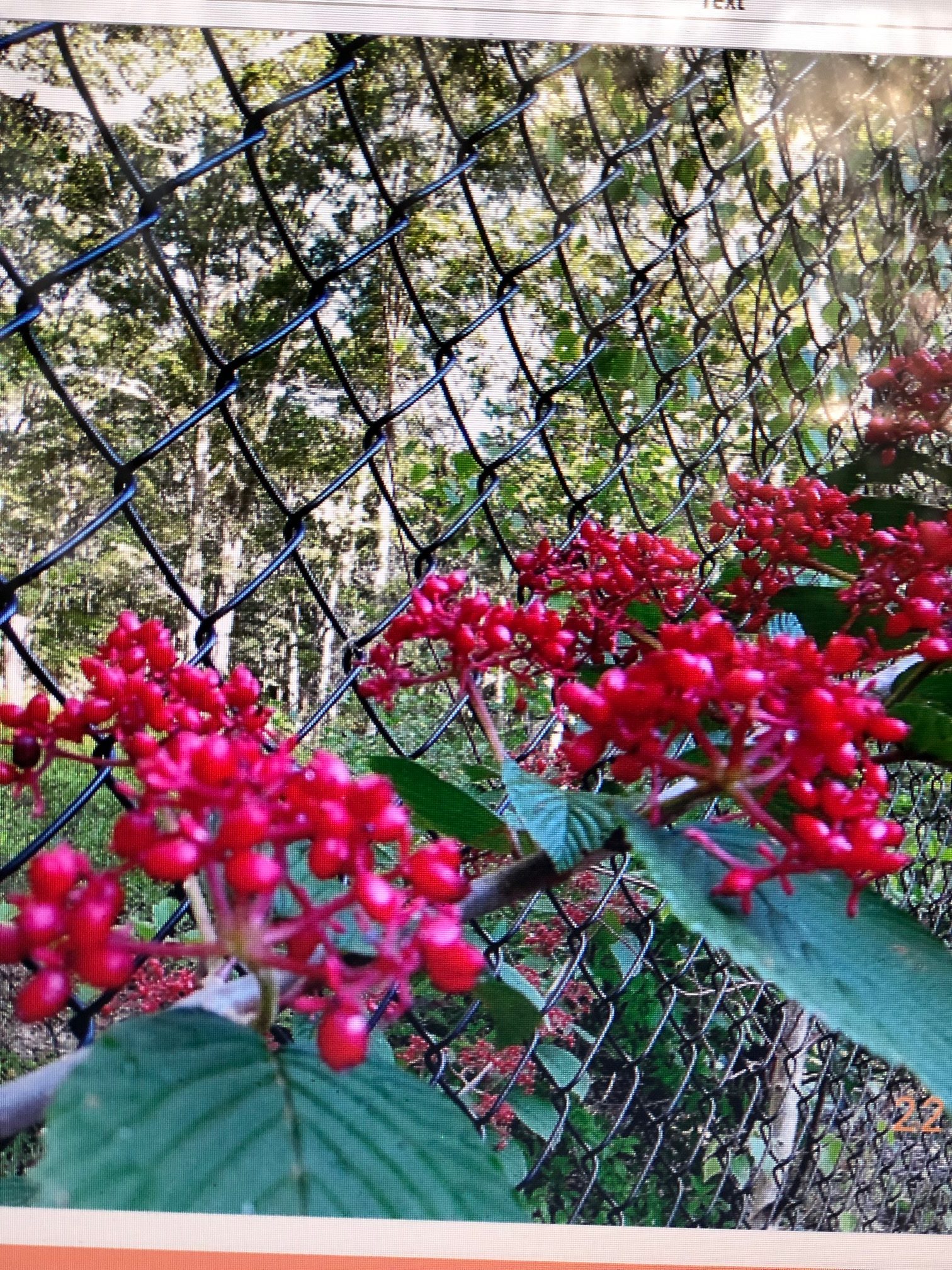
copyright 2024 – Lois Sheinfeld
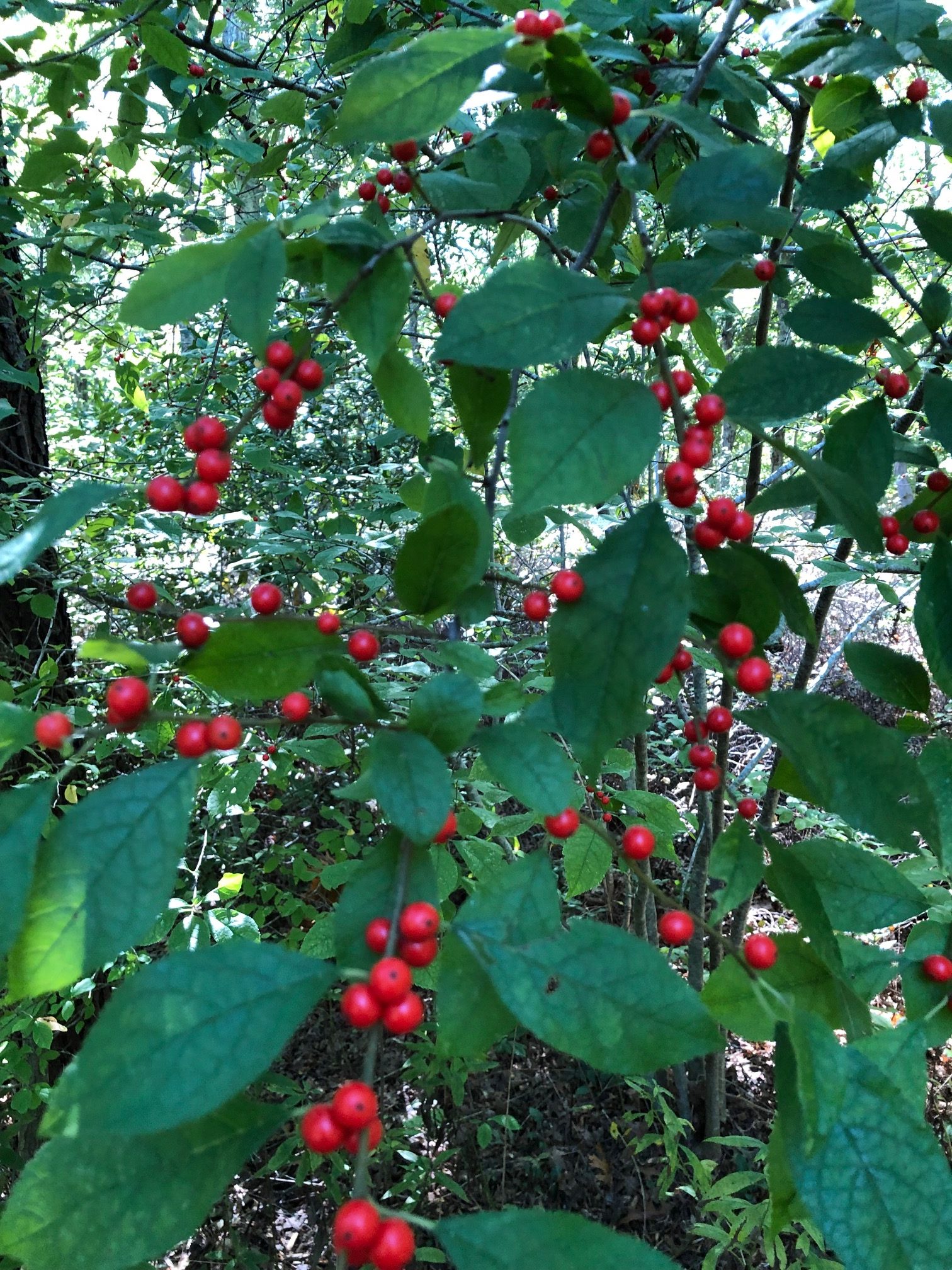
copyright 2024 – Lois Sheinfeld
copyright 2024 – Lois Sheinfeld
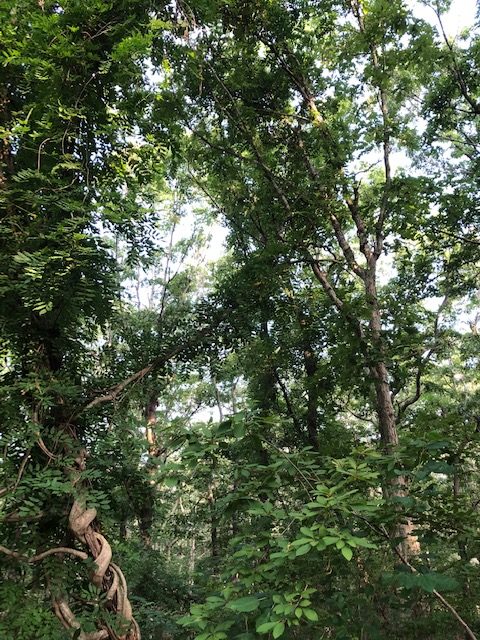
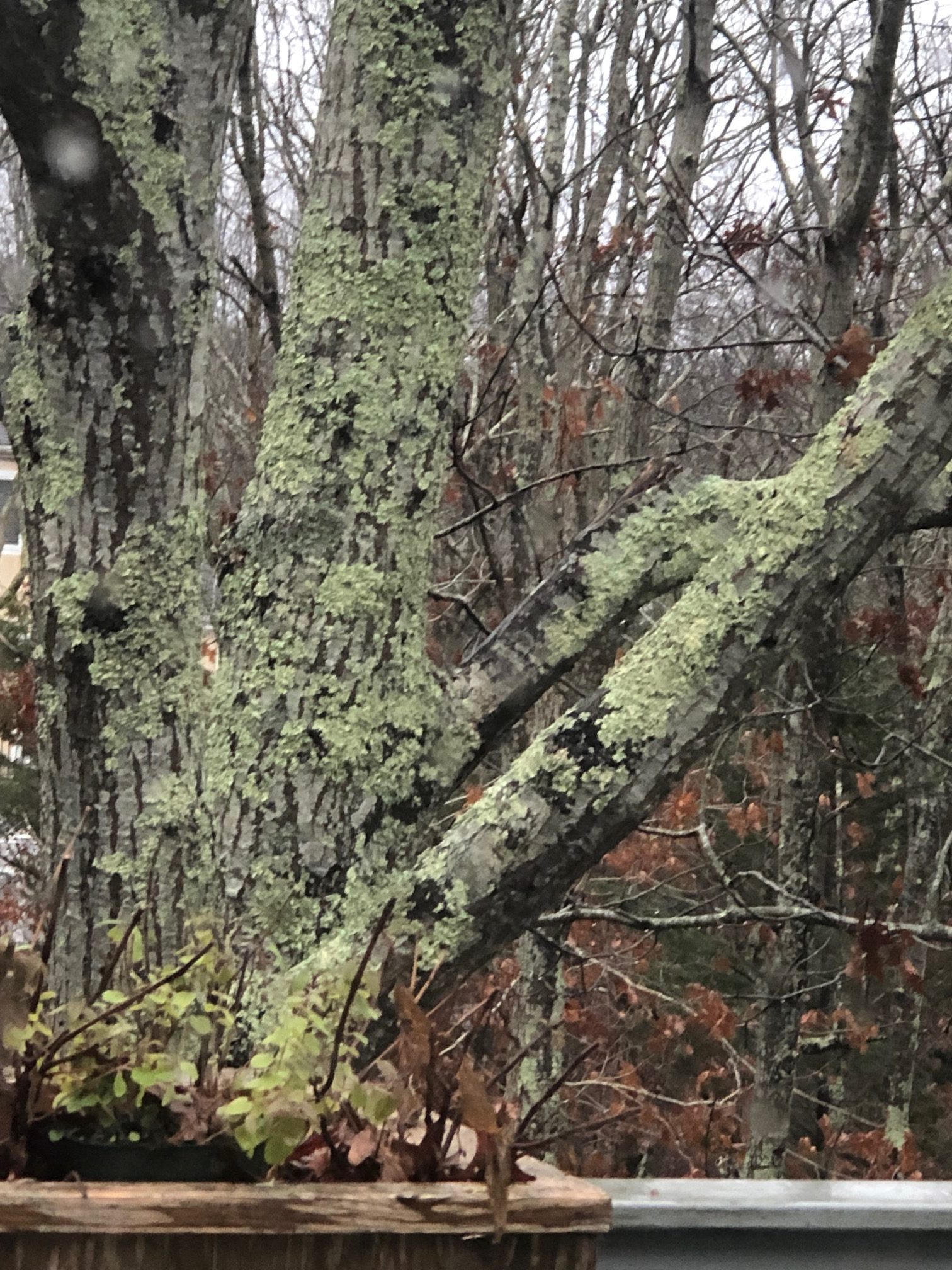
Finally, I am thrilled to see my oak trees cloaked with lichen. Photo below.
copyright 2024 – Lois Sheinfeld
Lichen takes its life-supporting nutrients from the air and will not grow in areas with polluted, poor air quality. I attribute our clean air to beautiful, hard-working trees that breathe in toxins and exude oxygen. Trees also provide food and shelter for wildlife, and they provide shade—especially important in light of global warming.
Embrace your trees and plant more!